Thursday, 16 February 2012

Vocabulary Chapter 5

Immigration- the process of people establishing homes, and often citizenship, in  a country that is not their native country.
ex. When people come from a different country to Canada in seek of safety.


Demographic- to do with the characteristics of populations.
ex. Statistic characteristics of a population somewhere.


Labour Force Growth- the growth of the "labour force," or the number of people who can work.
ex. People from a different country coming to Canada to work at the oil sands.


Refugee- a person who seeks refuge in another country because of danger or persecution in there home country.
ex. A person who travels to Canada from their country in seek of a better life because their country is dangerous.


Quebec Accord- is a legal agreement concerning immigration issues between the federal government of Canada and the Province of Quebec.
ex. An agreement with the government and Quebec that only Quebec can try to find french immigrants.

Friday, 3 February 2012

Current Event

Who: Sheila Nabb 37 years old

What: She was severely beaten in an elevator while in Mexico.

Where: At five-star Hotel Riu where she and her husband were vacationing.

Why: A man and her were chatting and the man, Jose Ramon Acosta Quintero, was drunk and wanted to keep talking so he blocked the door and  when she started to scream, he panicked and hit her. He denies trying to kill her.

How it impacts Canada: It impacts Canada because people like him could be anywhere at anytime including Canada and the makes the safety of the public in danger.

How it impacts my life: Its scary because I could travel to Mexico and that could happen to me or one of my loved ones.

Sunday, 22 January 2012

Affirm- state as a fact; assert strongly and publicly.

Collective Identity- the shared identity of a group of people, especially because of a common language and culture.

Collective Rights- rights guaranteed to specific groups in Canadian society for historical and constitutional reasons.

First Nations - the umbrella name for the diverse Aboriginal peoples who have collective rights that are recognised and protected in Canada's constitution. The constitution refers to First Nations as "Indians" in keeping with the name used at the time of negotiating Treaties.

Sovereignty- independence as a people, with a right to self government.

Annuity- an annual payment.

Official Language Minority- speaking an official language, but living in a place where the other language is more commonly spoken.


Anglophone- a person whose first language is English.


Francophone- a person whose first language is French.


Assimilate- become part of a different cultural group.

Entrench (ed) - fixing firmly within.

Indian- Europeans used the word Indian to describe the First Nations of North America, although these people were diverse and had names for themselves. Many First Nations prefer not to use the word"Indian" to describe themselves.

Reserves- land for the exclusive use of First Nations.


Autonomy - authority to make decisions.

Land Claims - Land claims are a legal declaration of desired control over areas of property including bodies of water
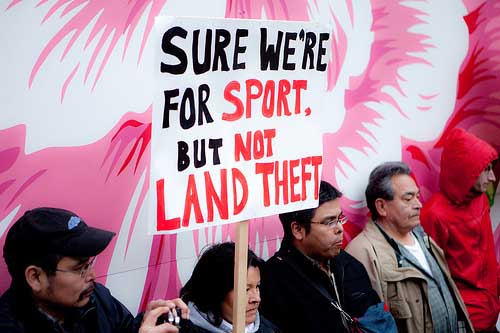
Settlement -An official agreement intended to resolve a dispute or conflict

Collective- done by people acting as a group.

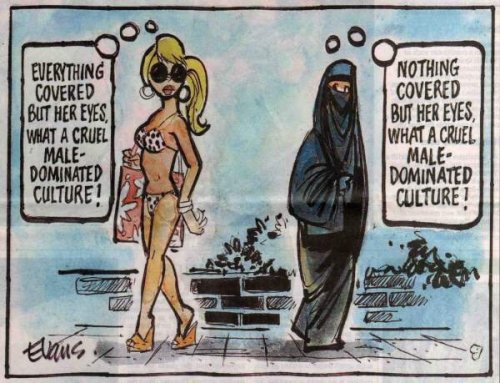
Ethnocentrism - the belief that ones culture is superior to all other cultures.
Official Language Community - one of the groups of Canadian society whose members speak an official language of Canada. (French or English).

Publicly Funded - paid for by taxes and provided by the government.

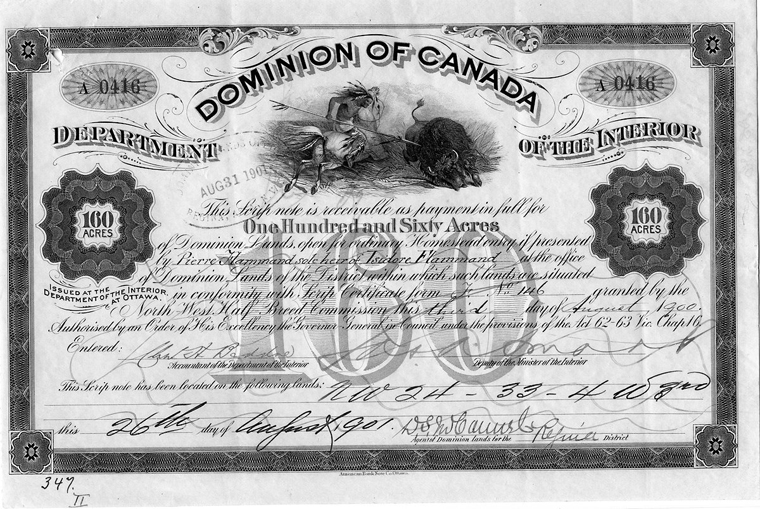
Scrip  - In Metis history, a document that could be exchanged for land and that was offered the Metis at the time in the numbered treaties were negotiated.
Sunday, 11 December 2011

Chapter 3 - Canadian Charter of Rights and Freedoms Vocab

Fundamental Rights-.Rights which are essential or fundamental for the well-being of a person
Ex. The right of being free.

Legal Rights- The right to be free of imprisonment, search and seizure without reasons baked by law and evidence.

Ex. The right for a person to get a lawyer before law enforcement can seize any of their belongings


Mobility Rights- The right to move anywhere within Canada and to earn a living there. And enter or leave Canada

Ex. The right to a Canadian citizen to move anywhere in Canada.


Democratic Rights- The right to vote for members of the House of Commons and of provincial legislatures.

Ex. The right to vote for political leaders.


Equality Rights- The right to be free of discrimination because of race, national or ethnic orgin, religion, gender, age, or mental or physical disability.

Ex.- A person of different race being protected by Equality rights instead of being discriminated.



Discrimination-The unjust or prejudicial treatment of different categories of people or things, such as race, age, and gender.

Ex. A person being judged because of their race or ethnicity.


Prejudice- an unfavourable opinion or feeling formed beforehand or without knowledge, thought, or reason.

Ex. A person assuming  something about another person based on their race.


Diversity- The political and social policy of encouraging tolerance for people of different backgrounds.

Ex. Political groups being tolerant to people with different backgrounds


Constitution- A special set of laws that establish a framework of governance.

Ex. Certain laws that help make the government.


Indian Act- Federal legislation related to the rights and status of First Nations peoples ("status Indians") first passed in 1876 and amended several times

Ex. A law to integrate Indians in Canada into the mainstream economy and culture.

Labour Unions - An organized association of workers, often in a trade or profession, formed to protect and further their rights and interests
Ex. health sciences union is an example of labour unions.

Thursday, 3 November 2011

Criminal Justice Vocabulary

Fair/ Equitable- governed by rules that apply to everyone, taking into account individuals needs and circumstances.
Ex: Everybody getting the same treatment regardless of who they are, if they are of a certain age.


Justice System- the institutions and procedures for applying laws in a society. 

Ex: Introducing and applying a new law, such as the distracted drivers law.
 

Justice- applying laws

 Ex:  Putting the "Distracted Drivers Law" into action and making sure people are following it.
 

Legislation- laws created through the legislative process.

Ex: The freedom of speech. Or any basic law.
 

Validity- reliability, based on critical assessment of source, facts and bias

 Ex: A person who lies about something but has no facts to support his lie.
 
Community Service- help in the community performed as part of a sentence, such as  assisting with a community clean up or food bank.

 Ex: A person who has done something that broke the law could make up for it by doing some community service.
 

Criminal Record- a permanent record of breaking the law, which is public information. A criminal record can bar you from some jobs, volunteer positions and travel to other countries.

Ex:  If a person shoplifted, it would be put onto their permanent record. This could bar a person from certain jobs.


Sentence- A consequence for a crime, such as imprisonment, determined by a court of law.

Ex: A person broke the law and was sentenced jail time.

Rehabilitation- to instill positive behaviours and attitudes

Ex: Putting a person who is addicted to drugs into rehab and other people helping that person cope.


Reintegration- to make part of again.
Ex: A family member who has just gone through rehab and is now being part of the family again.


Friday, 14 October 2011

Current Event 2 and Question about having a Voice

Boat Capsized & survive
Who: Seven members of a U.S family, including a 4 year old girl.
What : A boat capsized, and seven members of the family survived. They were rescued 20 hours later.   
Where: Off the Florida Keys.
Why: unknown.
When: Monday October 10, 2011
How it impacts my life: It worries me that boats might be safe in some circumstances.
How it impacts Canada: It shows that there should be more coast guards to watch over the area to make sure nobody gets stranded and rescue them faster.


          I would choose to say everything that comes to mind because, i would rather talk and say everything that comes to mind, rather than not being able to speak at all. What comes to mind could be offensive to some people, but i would still rather have a voice.

Thursday, 22 September 2011

Social 9D Definitions

Issues- An important topic or problem for debate or discussion.
ex: The war in Iraq 


Perspective- A particular attitude toward or way of regarding something.
ex:  Canadians liking hockey


Point of View- opinions and preferences of an individual based on personal experience
ex: A person who likes classical music


Quality of Life- The term quality of life is used to evaluate the general well-being of individuals and societies.
ex: Having a home


Governance- The action or manner of governing.
ex: the government grants power to a certain group.


Political System- the structure of government
ex: the Democratic Party


Executive Branch- the part of government responsible for putting laws into action
ex: The government applied the law that there is no death penalty in Canada.


Judicial Branch- the part of government that interprets and applies the law by making legal judgments.
ex: Before the anti death penalty, the government had to discuss the issues and factors about the new law.


Constituent- someone who lives in a riding and is represented by an elected official from that riding
ex: a person wanting change, so they talk to the person representing them.


Minorities- groups in society who do not form the majority of the population.
ex: voting at an election for the next political party.


Accountable- answerable to someone for your actions; observable, transparent
ex: Talking to your representative about changes that you want.


Bias- an opinion based upon unchallenged assumptions
ex: Adults opinions on teenagers.